

Is the US still welcoming international scientific talent?
Oct 28, 2025, 12:28 PM
|Posted By Gaandiv
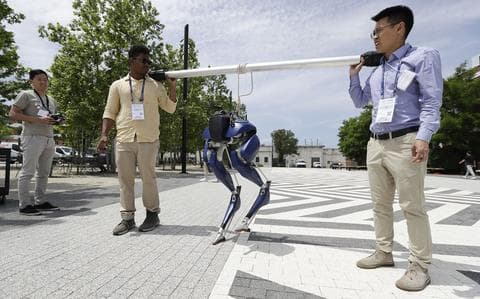
Penn engineering students move a robot during at the Pennovation Center. (Yong Kim, The Philadelphia Inquirer/TNS)
Dr. Wei Zhang is a postdoctoral researcher of Cardiovascular Medicine at Yale University and a Public Voices fellow with The OpEd Project, specializing in vascular surgery and public health. A few weeks ago, when new proposals limiting J and F visa expansion were open for public comment, immigration quickly became a hot topic again at our research center, where more than half the scientists come from abroad. Some worried about their plan, others traded news and updates about the H1-B. A colleague asked if I was anxious too. To my own surprise, I wasn't.
I used to be. But after weathering turbulent visa policies under different U.S. administrations, like many other international scholars, I have learned to stay flexible and mobile. My U.S. visa for a graduate program was delayed due to tensions between the U.S. and China several years ago. Up against a deadline for the program, I pivoted to Japan to continue the research training.
What felt like a closed door became a new window: I fortunately joined a world-class team in tissue-engineering vascular medicine, broadened my view of clinical care and research, and began bridging my path as both practitioner and scientist. Committed to strengthening the "bench-to-bed" pipeline -- learning real-world needs and translating research to meet them -- I chose the United States again to carry this work forward.
This country's greatest draw is its inclusive system, which offers fertile ground for turning advanced technologies into reality.
Having lived within multiple contrasting systems, I have come to see how the political environment can nourish or stifle science and society.
Back in China, a collective yet relatively closed model can drive rapid policy responses, but decision-making often concentrates within a narrow leadership circle, limiting diverse perspectives. I have seen too many losses and setbacks because of a rigid system.
One recent example in my specialty: due to device-approval constraints, a technique that can reduce stroke in carotid artery patients with high risk has only recently been introduced in China, despite more than five years of use and published evidence in Western countries. Given China's vast and accelerated aging population, how many targeted patients could have benefited from the early adoption under a more flexible, inclusive system? Similar constraints have been echoing in many other sectors.
Familiar with that pattern, I seem to sense a similar unease now, and I hope I am wrong. Reports in August of nearly a one-fifth decline in international students' travel just as the fall semester was beginning brought back memories of my own delays several years ago at the height of U.S.-China tensions.
This time, though, the delay and decline seem broader and less targeted. Domestically, the increasingly unwelcoming atmosphere appears to mirror signals from the current administration. One major group of international students is for STEM programs -- the backbone of the innovation pipeline in the United States.
With the dramatic decline due to the policy, this question may arise: Does the system still hold the flexibility and openness that once drew the world's brightest minds? With the drop in international students coming to the U.S., the strain between academic institutions and the Trump administration is already undeniable.
Nonetheless, no matter how turbulent the moment may be for immigrants in the United States, we have to admit that the country still sustains a remarkably robust ecosystem for science, innovation, and democratic possibility -- the foundations that have long made it great. However, the global dynamics are shifting.
Spurred by uncertainty, other nations are building their own ecosystems for growth and discovery. Individuals have made the decision to relocate to fulfill their dreams and contribute their skills, and the flexibility and mobility gained along the way may guide them again -- to wherever openness and inclusivity allow the relocation and contribution.
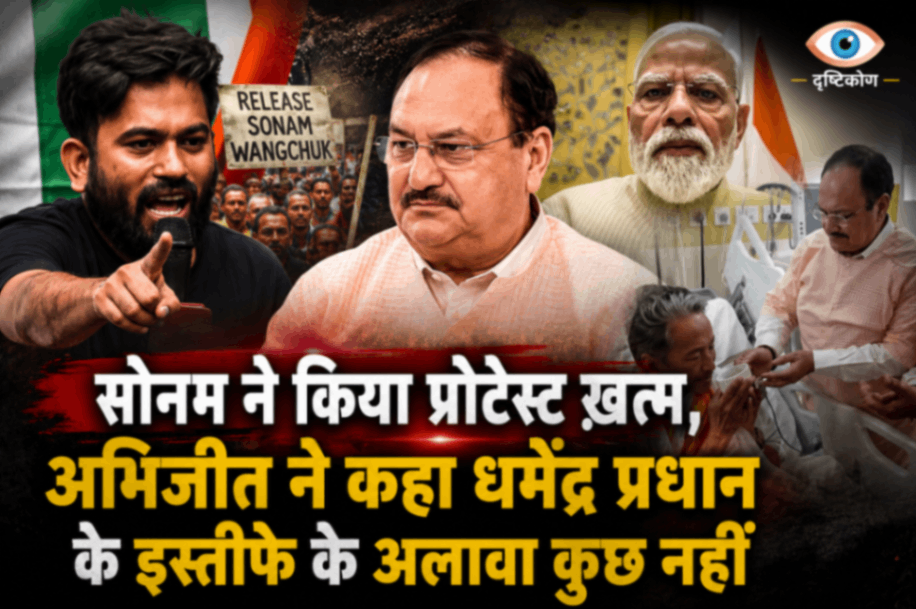
सोनम ने किया प्रोटेस्ट ख़त्म, अभिजीत ने कहा धर्मेंद्र प्रधान के इस्तीफे के अलावा कुछ नहीं
दिल्ली के जंतर-मंतर पर चल रहे CJP (कॉकरोच जनता पार्टी) के प्रदर्शन में आज हालात थोड़े बदले हुए दिखे, लेकिन आंदोलन की धार अभी भी तेज बनी हुई है। प्रधानमंत्री नरेंद्र मोदी ने पेपर लीक पर सख्त कानून, तेज़ कार्रवाई और परीक्षा व्यवस्था में सुधार के लिए नया बिल लाने का आश्वासन दिया है, जिसके बाद माहौल में कुछ उम्मीद तो आई है, लेकिन प्रदर्शन पूरी तरह थमा नहीं है।मोदी के ऐलान के बाद का माहौलप्रधानमंत्री नरेंद्र मोदी ने हाल ही में नीट और दूसरी प्रतियोगी परीक्षाओं में पेपर लीक की घटनाओं पर सख्त कानून, फास्ट ट्रैक कोर्ट और परीक्षा प्रणाली में व्यापक सुधार की बात कही है। सरकार यह संकेत दे रही है कि आने वाले सत्र से पहले एक मजबूत बिल लाकर पेपर लीक पर कड़ी सजा और पारदर्शी परीक्षा व्यवस्था की दिशा में कदम उठाए जाएंगे।CJP से जुड़े कई छात्र और युवा इन घोषणाओं को पहली बड़ी जीत मान रहे हैं, लेकिन उनका कहना है कि केवल सजा बढ़ाने से बात पूरी नहीं होगी, सिस्टम में जवाबदेही तय करनी होगी। इसी सवाल पर प्रदर्शनकारियों और सरकार के बीच बातचीत की कोशिशें जारी हैं।सोनम वांगचुक ने अनशन तोड़ाजाने-माने सामाजिक कार्यकर्ता सोनम वांगचुक ने 26 दिन लंबा अनशन सरकार के आश्वासन के बाद खत्म कर दिया है। रिपोर्टों के मुताबिक, सोनम वांगचुक का अनशन बीजेपी अध्यक्ष जे.पी. नड्डा और केंद्रीय मंत्री जितेंद्र सिंह की मौजूदगी में तुड़वाया गया, जहाँ उन्हें सरकार की ओर से सुधारों का भरोसा दिलाया गया।अनशन खत्म करने के बाद भी सोनम वांगचुक ने साफ कहा है कि वे और CJP के समर्थक परीक्षा प्रणाली में ईमानदार सुधार, पारदर्शिता और पेपर लीक पर कड़े कदमों की निगरानी करते रहेंगे। उनका संदेश यह है कि युवाओं की लड़ाई अभी खत्म नहीं हुई, यह सिर्फ एक चरण पूरा हुआ है।अभिजीत दिपके की सख्त मांगCJP के संस्थापक अभिजीत दिपके अब भी अपनी मूल मांग पर डटे हुए हैं कि केंद्रीय शिक्षा मंत्री धर्मेंद्र प्रधान को इस्तीफा देना चाहिए। उनका कहना है कि जब तक पेपर लीक और परीक्षा घोटालों की नैतिक जिम्मेदारी कोई नहीं लेता, सिर्फ कानून और बिल से भरोसा वापस नहीं आएगा।अभिजीत दिपके ने हाल ही में साफ शब्दों में कहा कि यदि धर्मेंद्र प्रधान का इस्तीफा नहीं लिया गया, तो आंदोलन आगे चलकर प्रधानमंत्री के इस्तीफे तक की मांग उठा सकता है। जंतर-मंतर पर दिए गए उनके संदेशों में यह भी कहा गया है कि विरोध तब ही खत्म होगा, जब शिक्षा मंत्री पद छोड़कर छात्रों के प्रति अपनी जिम्मेदारी स्वीकार करेंगे।प्रमुख बिंदु (संक्षेप में)CJP का प्रदर्शन नीट और अन्य परीक्षाओं में पेपर लीक के खिलाफ जारी है, फोकस शिक्षा मंत्री धर्मेंद्र प्रधान की जिम्मेदारी पर है।प्रधानमंत्री नरेंद्र मोदी ने पेपर लीक रोकने के लिए सख्त कानून, फास्ट ट्रैक कोर्ट और परीक्षा सुधारों का आश्वासन दिया है।सोनम वांगचुक ने 26 दिन बाद अपना अनशन सरकारी भरोसे के बाद समाप्त किया, लेकिन आंदोलन के उद्देश्य से पीछे नहीं हटे हैं।अभिजीत दिपके अब भी धर्मेंद्र प्रधान के इस्तीफे पर अड़े हुए हैं और चेतावनी दे रहे हैं कि मांग न मानने पर आंदोलन और तेज हो सकता है।
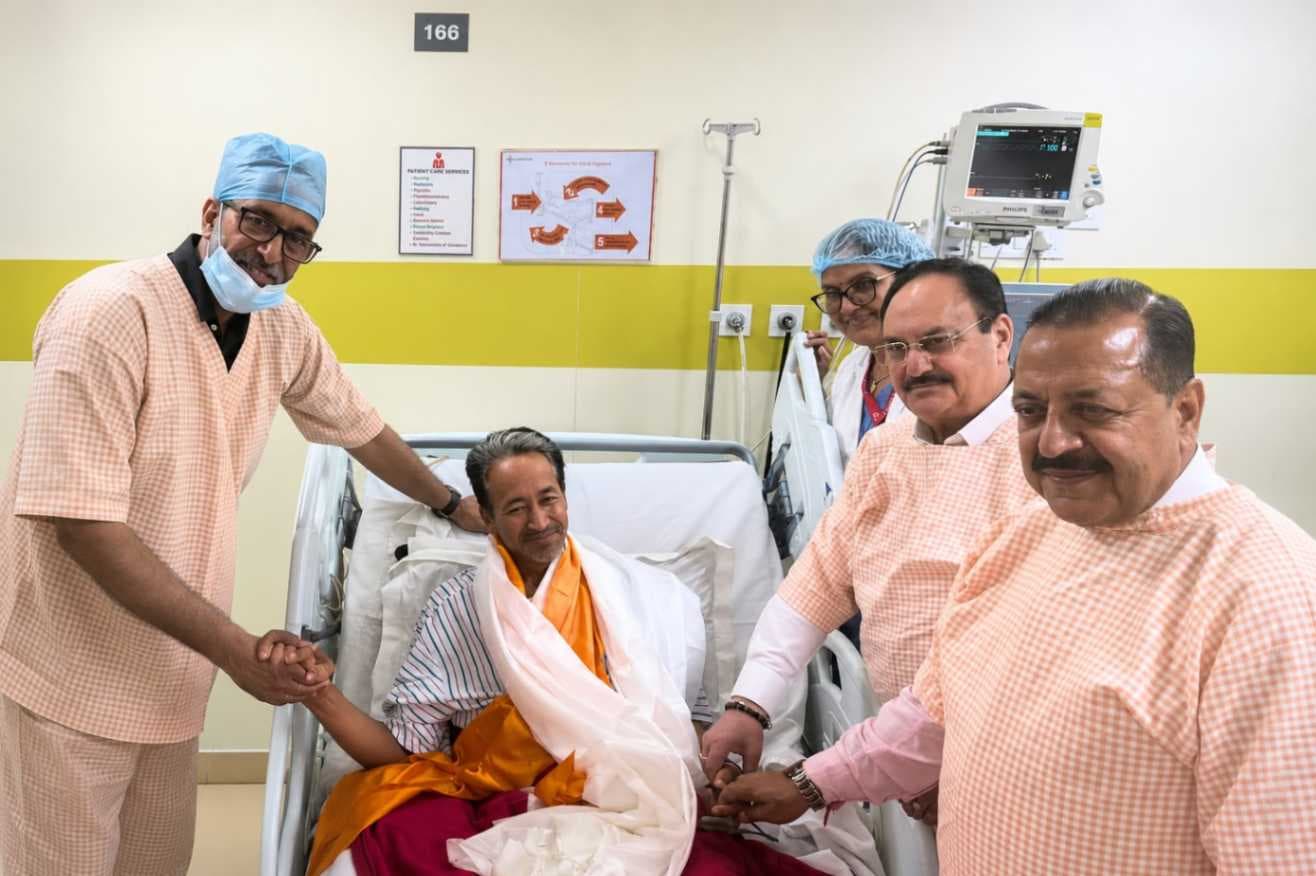
जेपी नड्डा और डॉ. जितेंद्र सिंह से मुलाकात के बाद सोनम वांगचुक ने तोड़ा अनशन, अस्पताल में जूस पीकर किया पारण,
लद्दाख के सामाजिक कार्यकर्ता और पर्यावरणविद् सोनम वांगचुक ने लंबे समय से जारी अपने अनशन को केंद्रीय स्वास्थ्य मंत्री जेपी नड्डा और केंद्रीय मंत्री डॉ. जितेंद्र सिंह से मुलाकात के बाद समाप्त कर दिया। अस्पताल में भर्ती सोनम वांगचुक ने मंत्रियों की मौजूदगी में पेय पदार्थ ग्रहण कर अपना अनशन तोड़ा। इस दौरान अस्पताल का माहौल भावुक नजर आया, जहां मौजूद लोगों ने उनके स्वास्थ्य की कामना की और उन्हें जल्द स्वस्थ होने की शुभकामनाएं दीं।बताया जा रहा है कि सोनम वांगचुक पिछले 28 जून से अपनी विभिन्न मांगों को लेकर अनशन पर बैठे थे। उनका कहना था कि लद्दाख के पर्यावरण संरक्षण, संवैधानिक अधिकारों और क्षेत्र के विकास से जुड़े मुद्दों पर केंद्र सरकार को गंभीरता से कदम उठाने चाहिए। लंबे समय तक चले इस आंदोलन के बाद केंद्र सरकार के साथ हुई बातचीत को सकारात्मक माना जा रहा है। इसके बाद उन्होंने अपना अनशन समाप्त करने का फैसला लिया।अस्पताल से सामने आई तस्वीरों में देखा जा सकता है कि केंद्रीय मंत्री जेपी नड्डा और डॉ. जितेंद्र सिंह स्वयं मौजूद रहे और सोनम वांगचुक को पेय पदार्थ देकर उनका अनशन तुड़वाया। यह घटनाक्रम सरकार और आंदोलनकारियों के बीच संवाद की दिशा में एक महत्वपूर्ण पहल माना जा रहा है। हालांकि, आंदोलन से जुड़े लोगों का कहना है कि उनकी मांगों पर ठोस कार्रवाई और लिखित आश्वासन मिलने तक वे सरकार के अगले कदमों पर नजर बनाए रखेंगे।फिलहाल सोनम वांगचुक डॉक्टरों की निगरानी में हैं और उनकी स्वास्थ्य स्थिति पर लगातार नजर रखी जा रही है। लंबे समय तक उपवास के कारण चिकित्सक उन्हें धीरे-धीरे सामान्य आहार देने की प्रक्रिया अपना रहे हैं। वहीं, इस घटनाक्रम के बाद लद्दाख समेत देशभर में उनके समर्थकों ने राहत जताई है और उम्मीद व्यक्त की है कि सरकार और आंदोलनकारियों के बीच आगे भी सकारात्मक संवाद जारी रहेगा।
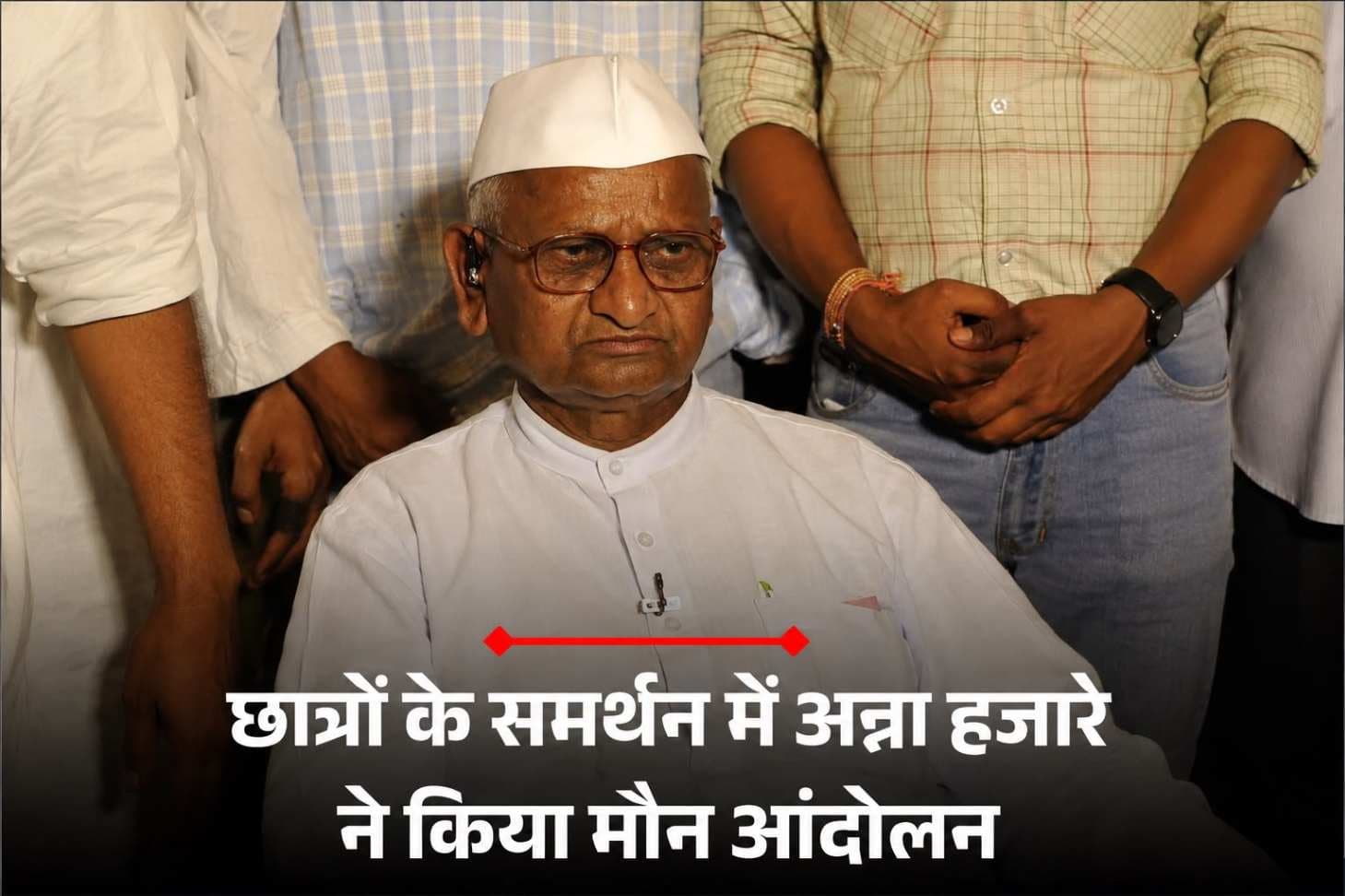
छात्रों के समर्थन में अन्ना हज़ारे का मौन आंदोलन, सरकार से की न्यायपूर्ण समाधान की अपील,
महाराष्ट्र के अहिल्यानगर में दो घंटे तक मौन रहकर जताया समर्थन, पहले भी प्रधानमंत्री को लिख चुके हैं पत्र।सामाजिक कार्यकर्ता अन्ना हज़ारे ने छात्रों के समर्थन में महाराष्ट्र के अहिल्यानगर में दो घंटे का मौन आंदोलन कर अपनी एकजुटता और चिंता व्यक्त की। उन्होंने बिना किसी भाषण या नारेबाज़ी के शांतिपूर्ण तरीके से विरोध दर्ज कराया और यह संदेश दिया कि लोकतंत्र में युवाओं की आवाज़ को गंभीरता से सुना जाना चाहिए। सफेद गांधी टोपी और पारंपरिक वेशभूषा में मौन बैठे अन्ना हज़ारे का यह प्रतीकात्मक आंदोलन देशभर में चर्चा का विषय बन गया। बड़ी संख्या में समर्थक भी इस दौरान उनके साथ मौजूद रहे और शांतिपूर्ण विरोध प्रदर्शन में शामिल हुए।अन्ना हज़ारे ने कहा कि छात्रों की मांगों पर संवेदनशीलता के साथ विचार किया जाना चाहिए और सरकार को जल्द से जल्द ऐसा समाधान निकालना चाहिए जिससे युवाओं का भविष्य सुरक्षित रहे। उनका मानना है कि संवाद और लोकतांत्रिक तरीके से हर विवाद का समाधान संभव है। इससे पहले भी उन्होंने प्रधानमंत्री को पत्र लिखकर छात्रों से जुड़े मुद्दों पर हस्तक्षेप करने और न्यायपूर्ण कार्रवाई की मांग की थी। उनका यह मौन आंदोलन सरकार और प्रशासन तक छात्रों की आवाज़ पहुँचाने का एक शांतिपूर्ण प्रयास माना जा रहा है।अन्ना हज़ारे लंबे समय से जनहित, पारदर्शिता और सामाजिक सरोकारों से जुड़े आंदोलनों का नेतृत्व करते रहे हैं। ऐसे में छात्रों के समर्थन में उनका यह कदम केवल एक विरोध प्रदर्शन नहीं, बल्कि युवाओं के अधिकारों और लोकतांत्रिक मूल्यों के प्रति उनकी प्रतिबद्धता का भी प्रतीक माना जा रहा है। अब सभी की निगाहें इस बात पर टिकी हैं कि सरकार इस मुद्दे पर क्या रुख अपनाती है और छात्रों की मांगों पर आगे क्या निर्णय लिया जाता है।