

Web Models Shaping Health Policy: A Review
Aug 27, 2025, 02:56 PM
|Posted By Gaandiv

In an era where health policy decisions critically shape the landscape of global healthcare, the advent of web-based models represents a pioneering shift in the methodologies employed to inform these policies. A groundbreaking scoping review conducted by Rae, J.D., Chen, W., and Diarra, S., explores the intricacies and efficiencies associated with web-based models. This review encapsulates a myriad of studies that not only highlight the growing reliance on technology in healthcare policymaking but also underline the efficacy of these digital models in a post-pandemic world.
The scoping review meticulously catalogs the evolution of web-based strategies utilized in health policy, providing a comprehensive overview of their applications and effectiveness. Utilizing advanced algorithms and user-friendly interfaces, these platforms enable policymakers to simulate various health scenarios and outcomes, vastly improving the data-driven decision-making process. By digitizing information, these models open up new avenues for engagement, facilitating a participatory approach among stakeholders in the health sector.
One of the central themes emerging from the review is the versatile nature of web-based models. Unlike traditional methods that may rely heavily on static datasets, web-based models allow for dynamic input of real-time data. This capability is particularly crucial in fast-evolving situations, such as infectious disease outbreaks, where timely and accurate information can drastically alter health responses. The review emphasizes how these models can capture the multifaceted interactions between various health determinants, providing a holistic view of public health scenarios.
Moreover, the integration of artificial intelligence into web-based health models is revolutionizing the accuracy of predictions and analyses. The scoping review indicates that AI-driven models outperform conventional models by a substantial margin, particularly when it comes to forecasting disease spread or evaluating potential policy impacts. By employing machine learning algorithms, these web-based platforms can adapt and learn from data inputs, refining their projections to better serve health policymakers.
Conversely, the review also addresses potential pitfalls associated with web-based health modelling. A primary concern highlighted by the authors is the issue of data quality. While web-based models can efficiently handle large data volumes, the integrity of this data remains paramount. Misleading or incomplete data can lead to skewed results, which may precipitate harmful policy decisions. Therefore, ensuring robust data governance and validation processes is critical to bolstering the credibility of web-based models.
Another noteworthy aspect discussed is the usability of web-based health models. Accessibility is vital for the successful adoption of these tools among policymakers. The review suggests that user experience plays a significant role in the effectiveness of these models. Comprehensive training programs and intuitive interfaces are imperative to ensure that policymakers can leverage these tools without feeling overwhelmed. Streamlining the interface facilitates greater engagement and allows for more informed decision-making.
The review also emphasizes the importance of stakeholder collaboration in the development of these web-based models. Engaging various stakeholders, including healthcare providers, policymakers, and community representatives, leads to more relevant and customized health policies. Collaborative development allows models to incorporate diverse perspectives and data sources, which is essential for addressing the multifaceted challenges of public health.
Furthermore, the scoping review sheds light on the potential of web-based models to democratize health policy formulation. By providing open access to these digital tools, broader participation from non-expert stakeholders can be encouraged. This inclusivity can foster innovative solutions and enhance public trust in health policy decisions. Accessibility to web-based models can empower communities to advocate for their health needs by providing them with evidence-based information.
The role of web-based models in emergency preparedness is another pivotal theme explored within the review. The COVID-19 pandemic has been a glaring example of the need for rapid, data-driven responses to public health crises. The review illustrates how web-based models can simulate various outbreak scenarios, enabling authorities to implement effective containment strategies swiftly. Such capabilities underscore the essential role of web-based modelling in enhancing resilience within healthcare systems.
Ethical considerations also occupy a significant position in the discourse on web-based health models. The review probes into the ethical implications surrounding the use of data, particularly concerning privacy and consent issues. Protecting individual data while harnessing it for public health modelling is a dichotomy that necessitates careful navigation. Establishing ethical guidelines and standards remains crucial in ensuring that the deployment of web-based models enhances public health outcomes without compromising individual rights.
The scoping review concludes with a call to action, urging further investment in the development of web-based health policy models. As digital innovation continues to advance, there is immense potential for refining these tools to better serve public health objectives. The authors advocate for interdisciplinary research that spans health, technology, and social sciences to create comprehensive models capable of addressing the complex challenges faced in health policymaking.
In summary, Rae, J.D., Chen, W., and Diarra, S. present a compelling case for the integration of web-based models into the health policy landscape. The scoping review not only highlights the transformative potential of these models but also addresses the challenges that must be navigated to ensure their effectiveness and ethical deployment. As the world continues to grapple with public health challenges, embracing web-based solutions could pave the way for more informed, responsive, and inclusive health policies.
Keywords: web-based models, health policy, scoping review, public health, data governance, AI in healthcare, emergency preparedness, ethical considerations.
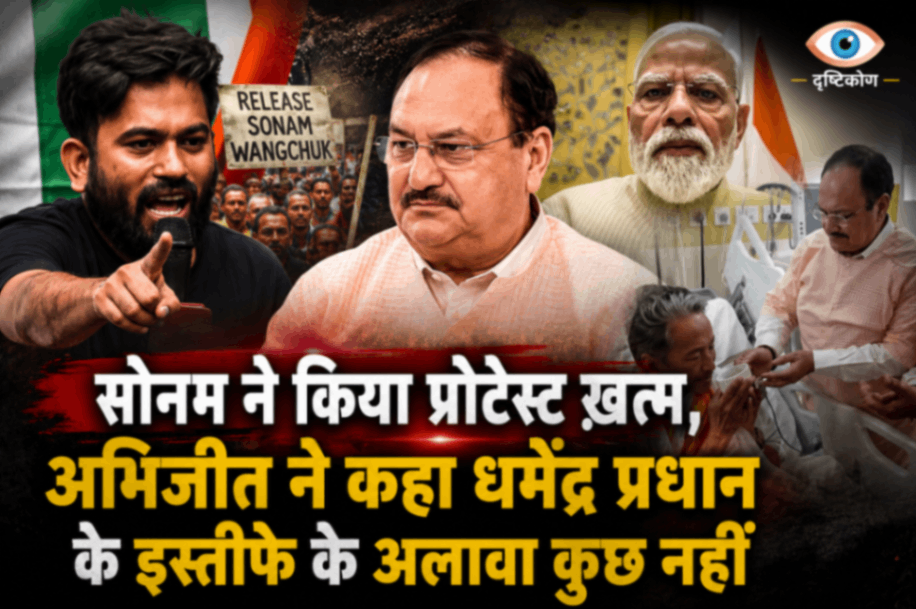
सोनम ने किया प्रोटेस्ट ख़त्म, अभिजीत ने कहा धर्मेंद्र प्रधान के इस्तीफे के अलावा कुछ नहीं
दिल्ली के जंतर-मंतर पर चल रहे CJP (कॉकरोच जनता पार्टी) के प्रदर्शन में आज हालात थोड़े बदले हुए दिखे, लेकिन आंदोलन की धार अभी भी तेज बनी हुई है। प्रधानमंत्री नरेंद्र मोदी ने पेपर लीक पर सख्त कानून, तेज़ कार्रवाई और परीक्षा व्यवस्था में सुधार के लिए नया बिल लाने का आश्वासन दिया है, जिसके बाद माहौल में कुछ उम्मीद तो आई है, लेकिन प्रदर्शन पूरी तरह थमा नहीं है।मोदी के ऐलान के बाद का माहौलप्रधानमंत्री नरेंद्र मोदी ने हाल ही में नीट और दूसरी प्रतियोगी परीक्षाओं में पेपर लीक की घटनाओं पर सख्त कानून, फास्ट ट्रैक कोर्ट और परीक्षा प्रणाली में व्यापक सुधार की बात कही है। सरकार यह संकेत दे रही है कि आने वाले सत्र से पहले एक मजबूत बिल लाकर पेपर लीक पर कड़ी सजा और पारदर्शी परीक्षा व्यवस्था की दिशा में कदम उठाए जाएंगे।CJP से जुड़े कई छात्र और युवा इन घोषणाओं को पहली बड़ी जीत मान रहे हैं, लेकिन उनका कहना है कि केवल सजा बढ़ाने से बात पूरी नहीं होगी, सिस्टम में जवाबदेही तय करनी होगी। इसी सवाल पर प्रदर्शनकारियों और सरकार के बीच बातचीत की कोशिशें जारी हैं।सोनम वांगचुक ने अनशन तोड़ाजाने-माने सामाजिक कार्यकर्ता सोनम वांगचुक ने 26 दिन लंबा अनशन सरकार के आश्वासन के बाद खत्म कर दिया है। रिपोर्टों के मुताबिक, सोनम वांगचुक का अनशन बीजेपी अध्यक्ष जे.पी. नड्डा और केंद्रीय मंत्री जितेंद्र सिंह की मौजूदगी में तुड़वाया गया, जहाँ उन्हें सरकार की ओर से सुधारों का भरोसा दिलाया गया।अनशन खत्म करने के बाद भी सोनम वांगचुक ने साफ कहा है कि वे और CJP के समर्थक परीक्षा प्रणाली में ईमानदार सुधार, पारदर्शिता और पेपर लीक पर कड़े कदमों की निगरानी करते रहेंगे। उनका संदेश यह है कि युवाओं की लड़ाई अभी खत्म नहीं हुई, यह सिर्फ एक चरण पूरा हुआ है।अभिजीत दिपके की सख्त मांगCJP के संस्थापक अभिजीत दिपके अब भी अपनी मूल मांग पर डटे हुए हैं कि केंद्रीय शिक्षा मंत्री धर्मेंद्र प्रधान को इस्तीफा देना चाहिए। उनका कहना है कि जब तक पेपर लीक और परीक्षा घोटालों की नैतिक जिम्मेदारी कोई नहीं लेता, सिर्फ कानून और बिल से भरोसा वापस नहीं आएगा।अभिजीत दिपके ने हाल ही में साफ शब्दों में कहा कि यदि धर्मेंद्र प्रधान का इस्तीफा नहीं लिया गया, तो आंदोलन आगे चलकर प्रधानमंत्री के इस्तीफे तक की मांग उठा सकता है। जंतर-मंतर पर दिए गए उनके संदेशों में यह भी कहा गया है कि विरोध तब ही खत्म होगा, जब शिक्षा मंत्री पद छोड़कर छात्रों के प्रति अपनी जिम्मेदारी स्वीकार करेंगे।प्रमुख बिंदु (संक्षेप में)CJP का प्रदर्शन नीट और अन्य परीक्षाओं में पेपर लीक के खिलाफ जारी है, फोकस शिक्षा मंत्री धर्मेंद्र प्रधान की जिम्मेदारी पर है।प्रधानमंत्री नरेंद्र मोदी ने पेपर लीक रोकने के लिए सख्त कानून, फास्ट ट्रैक कोर्ट और परीक्षा सुधारों का आश्वासन दिया है।सोनम वांगचुक ने 26 दिन बाद अपना अनशन सरकारी भरोसे के बाद समाप्त किया, लेकिन आंदोलन के उद्देश्य से पीछे नहीं हटे हैं।अभिजीत दिपके अब भी धर्मेंद्र प्रधान के इस्तीफे पर अड़े हुए हैं और चेतावनी दे रहे हैं कि मांग न मानने पर आंदोलन और तेज हो सकता है।
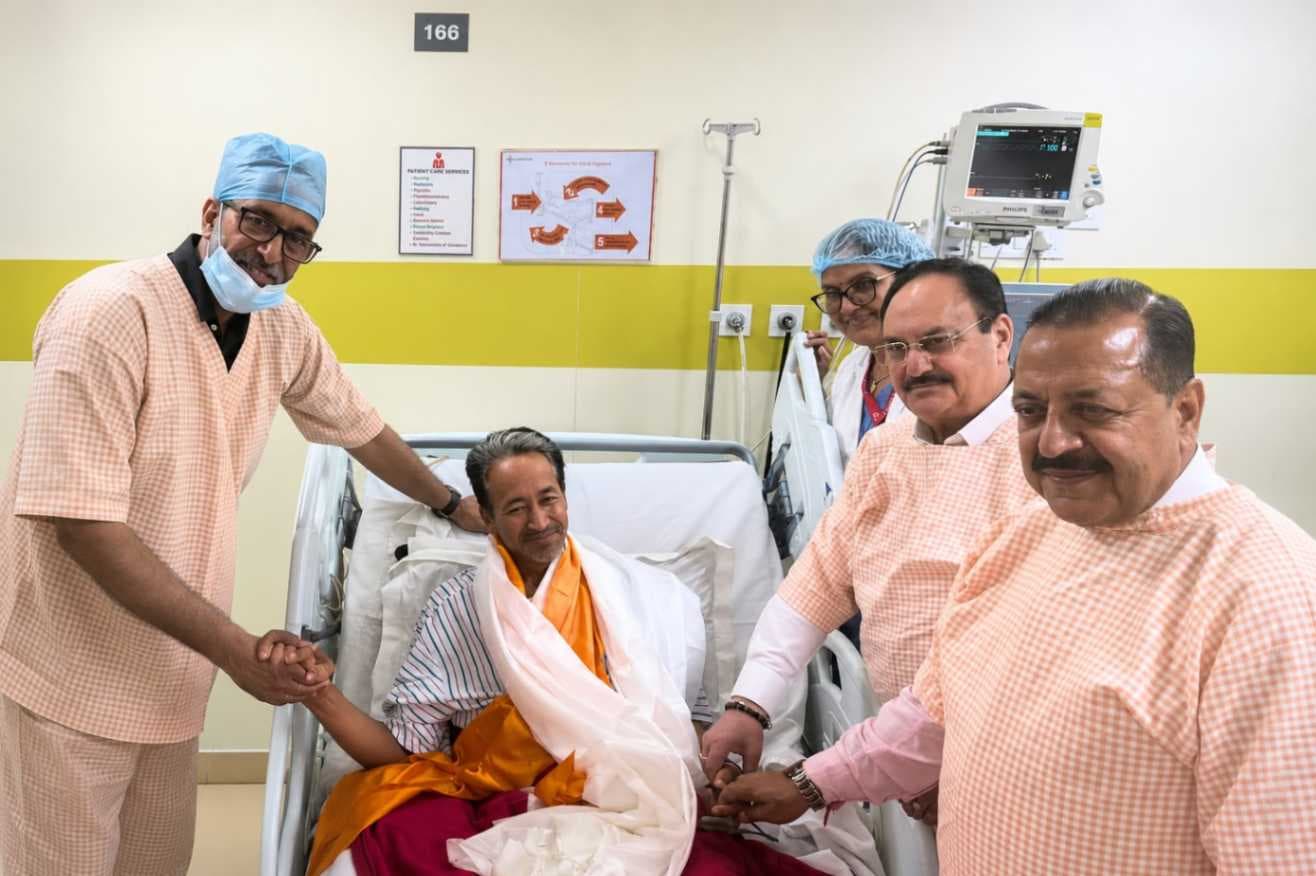
जेपी नड्डा और डॉ. जितेंद्र सिंह से मुलाकात के बाद सोनम वांगचुक ने तोड़ा अनशन, अस्पताल में जूस पीकर किया पारण,
लद्दाख के सामाजिक कार्यकर्ता और पर्यावरणविद् सोनम वांगचुक ने लंबे समय से जारी अपने अनशन को केंद्रीय स्वास्थ्य मंत्री जेपी नड्डा और केंद्रीय मंत्री डॉ. जितेंद्र सिंह से मुलाकात के बाद समाप्त कर दिया। अस्पताल में भर्ती सोनम वांगचुक ने मंत्रियों की मौजूदगी में पेय पदार्थ ग्रहण कर अपना अनशन तोड़ा। इस दौरान अस्पताल का माहौल भावुक नजर आया, जहां मौजूद लोगों ने उनके स्वास्थ्य की कामना की और उन्हें जल्द स्वस्थ होने की शुभकामनाएं दीं।बताया जा रहा है कि सोनम वांगचुक पिछले 28 जून से अपनी विभिन्न मांगों को लेकर अनशन पर बैठे थे। उनका कहना था कि लद्दाख के पर्यावरण संरक्षण, संवैधानिक अधिकारों और क्षेत्र के विकास से जुड़े मुद्दों पर केंद्र सरकार को गंभीरता से कदम उठाने चाहिए। लंबे समय तक चले इस आंदोलन के बाद केंद्र सरकार के साथ हुई बातचीत को सकारात्मक माना जा रहा है। इसके बाद उन्होंने अपना अनशन समाप्त करने का फैसला लिया।अस्पताल से सामने आई तस्वीरों में देखा जा सकता है कि केंद्रीय मंत्री जेपी नड्डा और डॉ. जितेंद्र सिंह स्वयं मौजूद रहे और सोनम वांगचुक को पेय पदार्थ देकर उनका अनशन तुड़वाया। यह घटनाक्रम सरकार और आंदोलनकारियों के बीच संवाद की दिशा में एक महत्वपूर्ण पहल माना जा रहा है। हालांकि, आंदोलन से जुड़े लोगों का कहना है कि उनकी मांगों पर ठोस कार्रवाई और लिखित आश्वासन मिलने तक वे सरकार के अगले कदमों पर नजर बनाए रखेंगे।फिलहाल सोनम वांगचुक डॉक्टरों की निगरानी में हैं और उनकी स्वास्थ्य स्थिति पर लगातार नजर रखी जा रही है। लंबे समय तक उपवास के कारण चिकित्सक उन्हें धीरे-धीरे सामान्य आहार देने की प्रक्रिया अपना रहे हैं। वहीं, इस घटनाक्रम के बाद लद्दाख समेत देशभर में उनके समर्थकों ने राहत जताई है और उम्मीद व्यक्त की है कि सरकार और आंदोलनकारियों के बीच आगे भी सकारात्मक संवाद जारी रहेगा।
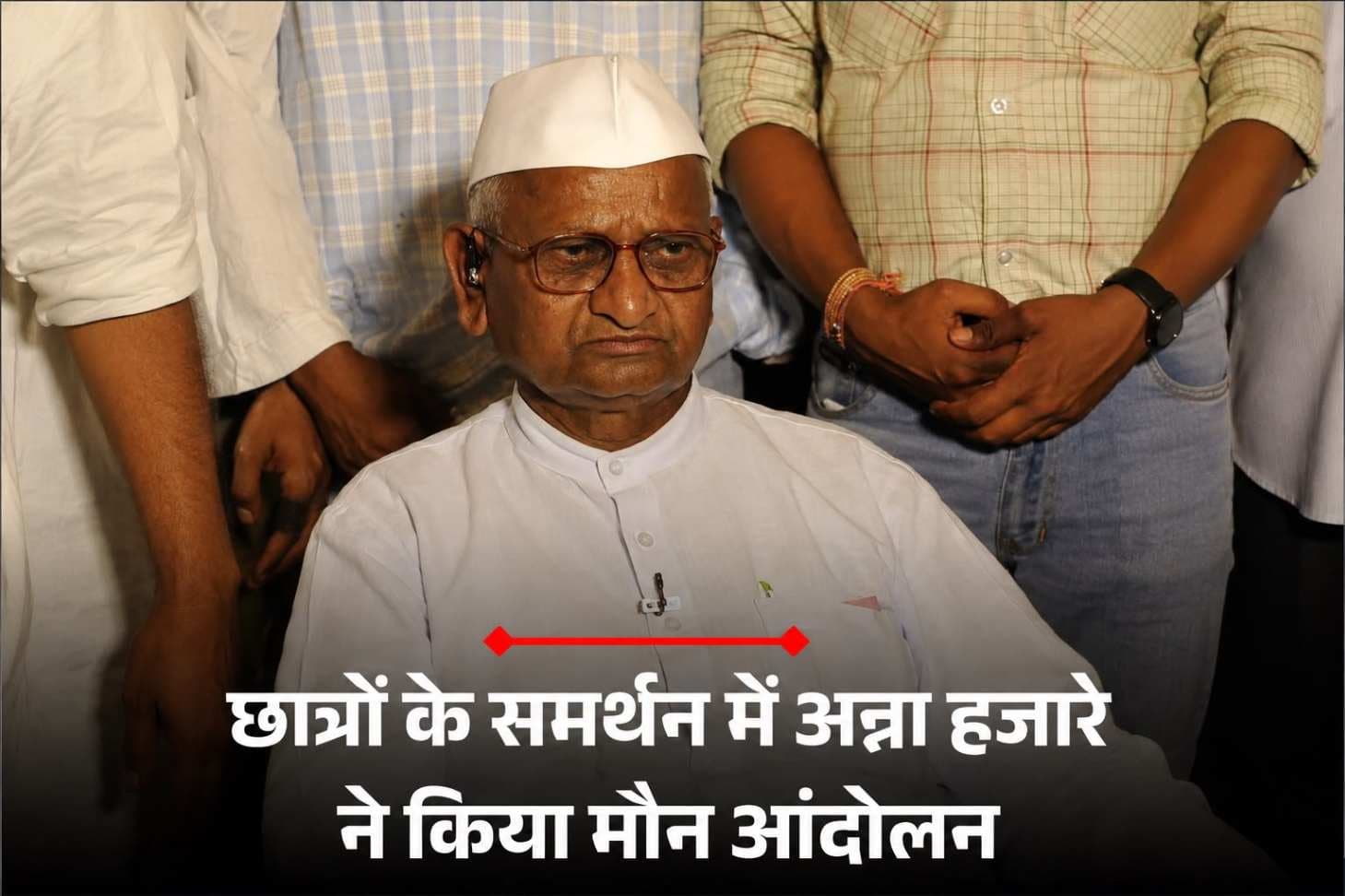
छात्रों के समर्थन में अन्ना हज़ारे का मौन आंदोलन, सरकार से की न्यायपूर्ण समाधान की अपील,
महाराष्ट्र के अहिल्यानगर में दो घंटे तक मौन रहकर जताया समर्थन, पहले भी प्रधानमंत्री को लिख चुके हैं पत्र।सामाजिक कार्यकर्ता अन्ना हज़ारे ने छात्रों के समर्थन में महाराष्ट्र के अहिल्यानगर में दो घंटे का मौन आंदोलन कर अपनी एकजुटता और चिंता व्यक्त की। उन्होंने बिना किसी भाषण या नारेबाज़ी के शांतिपूर्ण तरीके से विरोध दर्ज कराया और यह संदेश दिया कि लोकतंत्र में युवाओं की आवाज़ को गंभीरता से सुना जाना चाहिए। सफेद गांधी टोपी और पारंपरिक वेशभूषा में मौन बैठे अन्ना हज़ारे का यह प्रतीकात्मक आंदोलन देशभर में चर्चा का विषय बन गया। बड़ी संख्या में समर्थक भी इस दौरान उनके साथ मौजूद रहे और शांतिपूर्ण विरोध प्रदर्शन में शामिल हुए।अन्ना हज़ारे ने कहा कि छात्रों की मांगों पर संवेदनशीलता के साथ विचार किया जाना चाहिए और सरकार को जल्द से जल्द ऐसा समाधान निकालना चाहिए जिससे युवाओं का भविष्य सुरक्षित रहे। उनका मानना है कि संवाद और लोकतांत्रिक तरीके से हर विवाद का समाधान संभव है। इससे पहले भी उन्होंने प्रधानमंत्री को पत्र लिखकर छात्रों से जुड़े मुद्दों पर हस्तक्षेप करने और न्यायपूर्ण कार्रवाई की मांग की थी। उनका यह मौन आंदोलन सरकार और प्रशासन तक छात्रों की आवाज़ पहुँचाने का एक शांतिपूर्ण प्रयास माना जा रहा है।अन्ना हज़ारे लंबे समय से जनहित, पारदर्शिता और सामाजिक सरोकारों से जुड़े आंदोलनों का नेतृत्व करते रहे हैं। ऐसे में छात्रों के समर्थन में उनका यह कदम केवल एक विरोध प्रदर्शन नहीं, बल्कि युवाओं के अधिकारों और लोकतांत्रिक मूल्यों के प्रति उनकी प्रतिबद्धता का भी प्रतीक माना जा रहा है। अब सभी की निगाहें इस बात पर टिकी हैं कि सरकार इस मुद्दे पर क्या रुख अपनाती है और छात्रों की मांगों पर आगे क्या निर्णय लिया जाता है।